Essential Oil Benefits: Your Guide to Natural Wellness

Essential oils have gained significant popularity in recent years as people seek natural alternatives for health and wellness. These concentrated plant extracts offer a variety of benefits, from promoting relaxation to enhancing physical health. In this guide, we will explore the numerous advantages of essential oils, how to use them effectively, and some popular oils to consider incorporating into your wellness routine.

Understanding Essential Oils
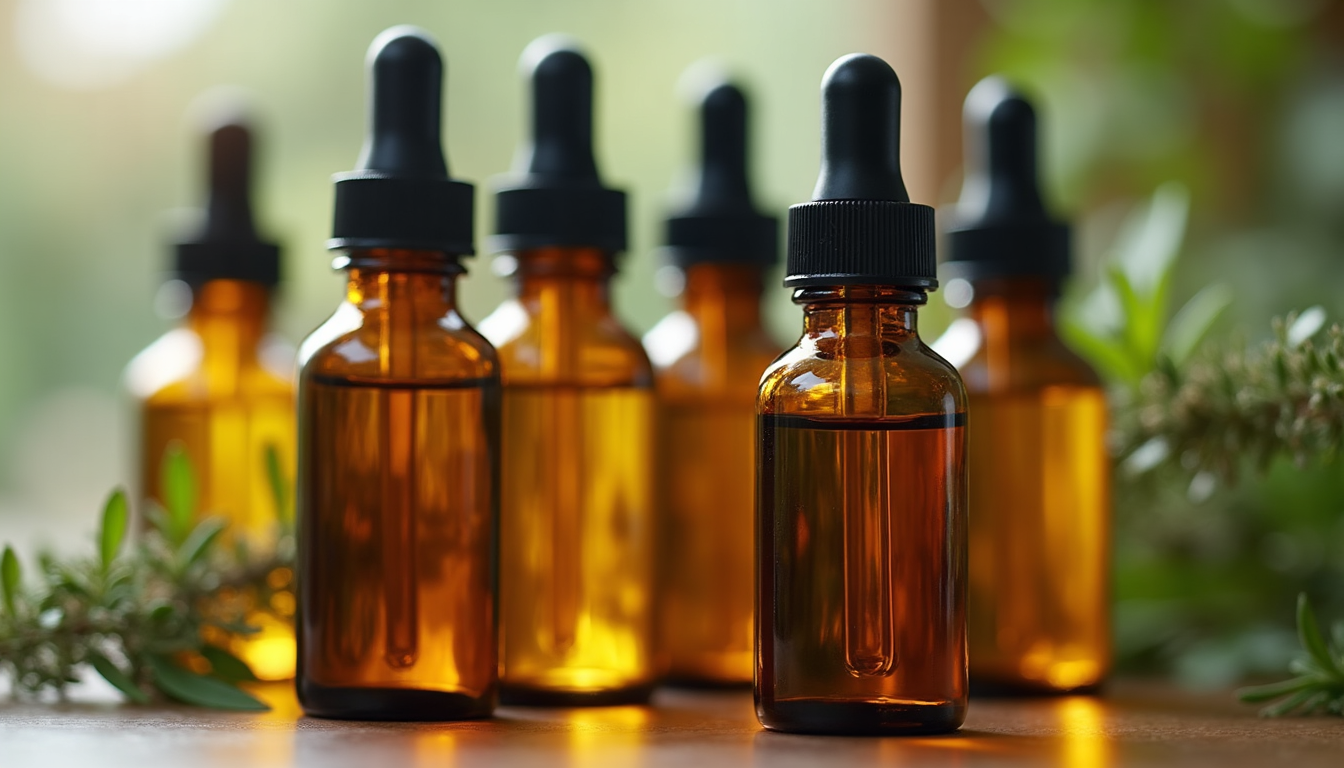
Essential oils are highly concentrated extracts derived from plants. They capture the plant's scent and flavor, known as its "essence." These oils are obtained through various methods, including steam distillation, cold pressing, and solvent extraction. Each essential oil has its unique properties and benefits, making them versatile tools for enhancing well-being.
How Essential Oils Work
Essential oils interact with the body in several ways:
Aromatherapy: Inhaling essential oils can stimulate the olfactory system, which is linked to the brain's limbic system. This area of the brain is responsible for emotions and memories, making aromatherapy a powerful tool for mood enhancement.
Topical Application: When diluted with a carrier oil, essential oils can be applied directly to the skin. This method allows for localized benefits, such as soothing sore muscles or improving skin conditions.
Ingestion: Some essential oils can be ingested in small amounts, but this should only be done under the guidance of a qualified professional.
Benefits of Essential Oils
Stress Relief and Relaxation
One of the most well-known benefits of essential oils is their ability to promote relaxation and reduce stress. Oils like lavender, chamomile, and bergamot are particularly effective.
Lavender: Known for its calming properties, lavender oil can help reduce anxiety and improve sleep quality. A study published in the Journal of Alternative and Complementary Medicine found that inhaling lavender essential oil significantly decreased anxiety levels in participants.
Bergamot: This citrus oil has been shown to reduce stress and improve mood. A study in Phytotherapy Research indicated that bergamot essential oil could lower cortisol levels, the hormone associated with stress.
Improved Sleep Quality
Many people struggle with sleep issues, and essential oils can provide a natural solution. Oils like lavender, cedarwood, and vetiver are known for their sleep-enhancing properties.
Cedarwood: This oil has a warm, woodsy scent that can help promote relaxation and improve sleep quality. Research has shown that cedarwood oil can increase the production of serotonin, which is converted to melatonin, the hormone responsible for regulating sleep.
Enhanced Mood and Emotional Well-being
Essential oils can also play a significant role in enhancing mood and emotional well-being. Oils such as peppermint, lemon, and ylang-ylang can uplift spirits and promote a positive mindset.
Peppermint: This invigorating oil can help boost energy levels and improve focus. A study published in the International Journal of Neuroscience found that inhaling peppermint essential oil improved cognitive performance and increased alertness.
Ylang-Ylang: Known for its sweet floral scent, ylang-ylang oil can help reduce feelings of anxiety and promote a sense of calm. Research has shown that inhaling ylang-ylang essential oil can lower blood pressure and heart rate, contributing to overall relaxation.
Pain Relief
Essential oils can also provide relief from various types of pain, including headaches, muscle soreness, and joint pain. Oils like eucalyptus, peppermint, and ginger are particularly effective.
Eucalyptus: This oil is known for its anti-inflammatory properties and can help relieve respiratory issues. It can also be used topically to soothe sore muscles and joints.
Ginger: Ginger essential oil has been shown to reduce pain and inflammation. A study in the Journal of Pain Research found that ginger oil was effective in reducing muscle pain after exercise.
Skin Care
Essential oils can be beneficial for skin health, helping to treat various conditions such as acne, eczema, and dry skin. Oils like tea tree, frankincense, and geranium are popular choices for skincare.
Tea Tree: Known for its antibacterial and antifungal properties, tea tree oil is effective in treating acne and other skin blemishes. A study published in the Medical Journal of Australia found that tea tree oil was as effective as benzoyl peroxide in reducing acne lesions.
Frankincense: This oil has anti-inflammatory properties and can help improve skin tone and reduce the appearance of scars. It is often used in skincare products for its rejuvenating effects.
How to Use Essential Oils
Aromatherapy Diffusers
One of the most popular ways to use essential oils is through aromatherapy diffusers. These devices disperse essential oils into the air, allowing you to enjoy their benefits throughout your home. Simply add a few drops of your chosen oil to the diffuser, fill it with water, and let it work its magic.
Topical Application
When applying essential oils to the skin, it is essential to dilute them with a carrier oil, such as coconut oil or jojoba oil. This helps prevent skin irritation and allows for safe application. A general guideline is to use a 2% dilution, which is about 12 drops of essential oil per ounce of carrier oil.
Bath Soaks
Adding essential oils to your bath can create a relaxing and therapeutic experience. Mix a few drops of your favorite oil with a carrier oil or Epsom salts before adding it to your bathwater. This method allows for both inhalation and topical absorption of the oils.
Inhalation
For a quick boost of relaxation or energy, you can inhale essential oils directly from the bottle or by placing a few drops on a cotton ball. This method is particularly effective for oils like peppermint or lavender.
Popular Essential Oils to Consider
Lavender
Lavender essential oil is a must-have for anyone looking to promote relaxation and improve sleep quality. Its calming scent makes it perfect for bedtime routines.
Peppermint
Peppermint oil is excellent for boosting energy and improving focus. It can also help relieve headaches and muscle tension.
Tea Tree
Tea tree oil is a powerful ally in skincare, known for its antibacterial properties. It can help treat acne and other skin issues effectively.
Eucalyptus
Eucalyptus oil is great for respiratory health and can help relieve congestion. It is also effective for soothing sore muscles.
Frankincense
Frankincense oil is prized for its skin rejuvenating properties and can help improve the appearance of scars and blemishes.
Safety Considerations
While essential oils offer numerous benefits, it is essential to use them safely. Here are some tips to keep in mind:
Dilution: Always dilute essential oils with a carrier oil before applying them to the skin to prevent irritation.
Patch Test: Before using a new essential oil, perform a patch test on a small area of skin to check for any allergic reactions.
Consult a Professional: If you are pregnant, nursing, or have underlying health conditions, consult a healthcare professional before using essential oils.
Storage: Store essential oils in a cool, dark place to maintain their potency and extend their shelf life.
Conclusion
Essential oils offer a natural and effective way to enhance your overall wellness. From promoting relaxation to improving skin health, these potent plant extracts can be a valuable addition to your daily routine. By understanding the benefits and proper usage of essential oils, you can harness their power to support your health and well-being.
Consider incorporating essential oils into your life today and experience the transformative effects they can have on your physical and emotional health. Whether you choose to use them for relaxation, pain relief, or skincare, the possibilities are endless. Embrace the world of essential oils and discover a more natural approach to wellness.
Comments